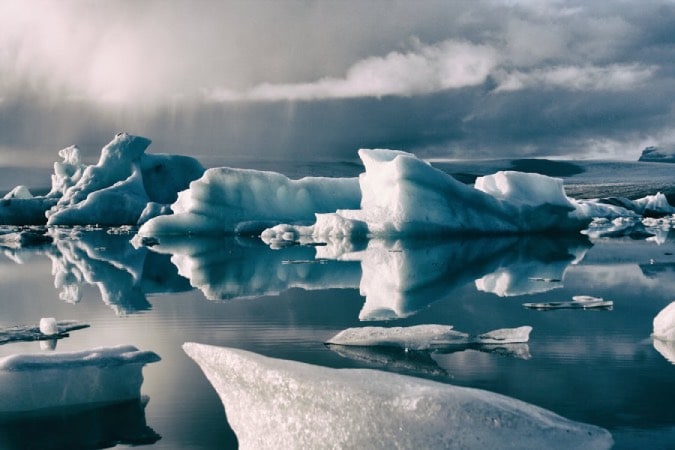
On the occasion of World Water Day 2025, celebrated on March 22 and dedicated this year to the protection of glaciers, the National Animal Protection Agency (Enpa) draws attention to the global water crisis and the devastating role of human activities in the degradation of freshwater reserves.
“Water is life. Yet, we continue to destroy it with unsustainable activities and short-sighted policies that jeopardize the survival of entire ecosystems,” says Carla Rocchi, National President of Enpa.
Melting glaciers: the role of intensive livestock farming and climate change
The progressive disappearance of glaciers, natural reservoirs of freshwater essential to our ecosystem, is one of the most visible consequences of climate change. Global warming, primarily caused by the increase in greenhouse gases, is closely linked to emissions from intensive livestock farming.
Livestock farming is not only a major source of methane and carbon dioxide emissions but also consumes enormous quantities of water. According to the Water Footprint Network:
- 15,400 liters of water are required to produce 1 kilogram of beef;
- 5,990 liters for 1 kilogram of pork;
- 4,330 liters for 1 kilogram of chicken;
- 322 liters for 1 kilogram of vegetables.
(Source: Water Footprint Network – https://waterfootprint.org)
The disproportion is clear: meat-based diets are unsustainable from an environmental and water perspective. It is a destructive cycle: intensive livestock farming consumes water, releases greenhouse gases, and contributes to global warming— which in turn accelerates glacier melting and reduces freshwater reserves.
The italian paradox: resource exploitation and unsustainable policies
While Italy faces the reduction of freshwater reserves, the country continues to pursue exploitative policies andurbanization of natural resources. Instead of protecting freshwater sources, there is a continued effort to:
- Build new ski slopes, harming already fragile mountain ecosystems.
- Support the use of pesticides and herbicides in agriculture, contaminating groundwater and surface waters.
- Allow the use of lead shot in wetlands despite a clear European Union infringement procedure. Once dispersed, lead pollutes aquifers and poses a serious threat to living beings.
- Cement rivers and waterways, altering natural balances and increasing the risk of floods and landslides.
Defending water means protecting life
Water is the primary source of life for all living beings. Protecting it is not just an environmental issue—it is a necessity to ensure a sustainable future.
For this reason, Enpa calls for:
- A drastic reduction in intensive livestock farming and a plan to transition the food industry to sustainable, low-water consumption models.
- A total ban on the use of lead shot in wetlands, in full compliance with EU regulations.
- An immediate halt to river cementing and the launch of a renaturalization plan for river areas.
- Stopping the construction of new ski slopes and impactful infrastructure in mountain areas.
- Implementing a water resource protection policy that respects ecosystem balance and the need to safeguard biodiversity.
A necessary change of course
“Climate change, glacier melting, and the depletion of water reserves are not inevitable natural phenomena. They are the direct consequence of unsustainable political and industrial choices,” concludes Rocchi.
Defending water means defending the future. World Water Day must be an opportunity to recognize collective responsibility and initiate concrete changes toward sustainable consumption and production models that respect the environment and natural resources.